Exploring AI Music and Human Creativity in Film
- Dr. Amirah Kweli
- Jan 6
- 4 min read
The intersection of artificial intelligence and music has sparked a profound transformation in the film industry. As technology advances, filmmakers are increasingly turning to AI to compose scores, create soundscapes, and even generate entire soundtracks. This evolution raises important questions about the role of human creativity in a world where machines can produce music that resonates with audiences. In this post, we will explore how AI is reshaping music in film, the implications for human composers, and the future of creativity in this dynamic landscape.
The Rise of AI in Film Music
AI technology has made significant strides in recent years, particularly in the realm of music composition. Algorithms can now analyze vast amounts of data, learning patterns and styles from existing music to create new compositions. This capability has led to the emergence of AI-generated soundtracks that can evoke emotions and enhance storytelling in films.
How AI Composes Music
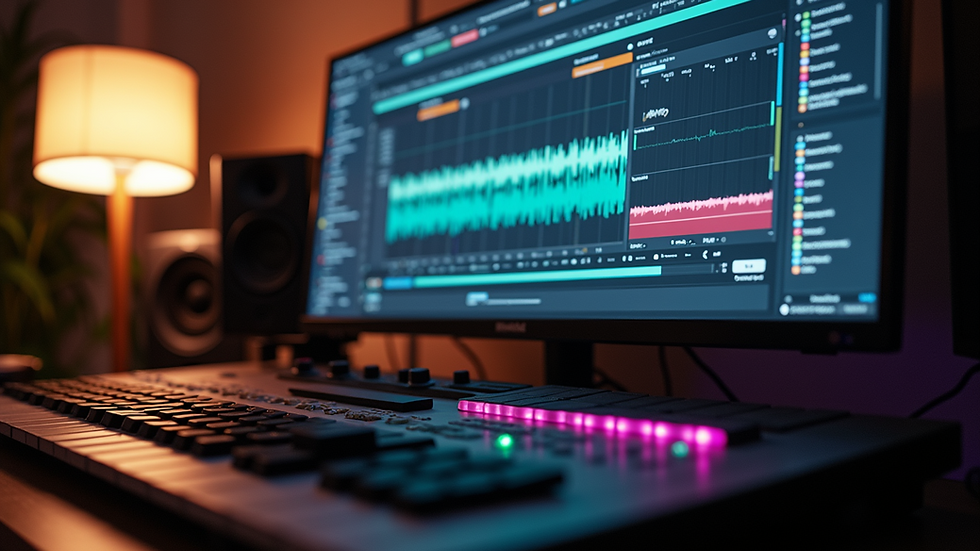
AI music composition typically involves machine learning algorithms that are trained on a diverse range of musical styles. These algorithms can analyze the structure, melody, harmony, and rhythm of existing compositions to generate new pieces. Some notable AI music composition tools include:
AIVA (Artificial Intelligence Virtual Artist): AIVA is designed to compose emotional soundtracks for films, video games, and commercials. It uses deep learning to understand music theory and create original compositions.
Amper Music: This platform allows users to create custom music tracks by selecting mood, style, and length. Amper's AI generates music that can be tailored to specific projects, making it accessible for filmmakers.
OpenAI's MuseNet: MuseNet is capable of generating music in various genres and styles, from classical to pop. It can even blend different genres, creating unique compositions that can fit diverse film narratives.
Case Study: AI in Action
One of the most notable examples of AI in film music is the 2019 short film "Zone Out," which features a score entirely composed by AIVA. The film's creators aimed to explore the emotional depth of AI-generated music. The result was a hauntingly beautiful score that complemented the film's themes of isolation and introspection. This case illustrates how AI can enhance storytelling by providing a unique auditory experience.
The Human Touch in Film Music
While AI has proven its capability to compose music, the question remains: can it truly replace human composers? The answer lies in understanding the nuances of human creativity and emotional expression.
The Emotional Connection
Human composers bring a depth of emotional understanding to their work that AI currently cannot replicate. Music is often a reflection of personal experiences, cultural backgrounds, and emotional states. Composers like Hans Zimmer and John Williams create scores that resonate with audiences because they infuse their music with personal stories and emotions.
Collaboration Between AI and Humans
Rather than viewing AI as a replacement for human composers, many industry professionals see it as a tool for collaboration. AI can assist composers by generating ideas, suggesting melodies, or even providing a starting point for a score. This partnership allows composers to focus on the emotional and narrative aspects of their work while leveraging AI's efficiency and creativity.
Example of Collaboration
A prime example of this collaboration is the work of composer Brian Eno, who has experimented with generative music for decades. Eno's approach often involves using algorithms to create evolving soundscapes that he then refines and shapes. This method exemplifies how AI can enhance human creativity rather than diminish it.
The Future of AI Music in Film
As AI technology continues to evolve, its role in film music will likely expand. Here are some potential developments to watch for:
Personalized Soundtracks
Imagine a film that adapts its soundtrack based on the viewer's emotional responses. With advancements in AI, filmmakers could create personalized soundtracks that change in real-time, enhancing the viewer's experience. This could lead to a more immersive and engaging cinematic experience.
Democratization of Music Creation
AI tools are making music composition more accessible to aspiring filmmakers and creators. With platforms like Amper Music and AIVA, individuals without formal music training can create high-quality soundtracks for their projects. This democratization could lead to a surge of diverse voices and stories in film.
Ethical Considerations
As AI-generated music becomes more prevalent, ethical questions arise. Who owns the rights to AI-generated compositions? How do we ensure that human composers are fairly compensated for their work? These issues will need to be addressed as the industry adapts to the changing landscape of music creation.
Conclusion
The integration of AI in film music presents both exciting opportunities and challenges. While AI can enhance the creative process, it cannot replace the emotional depth and personal touch that human composers bring to their work. The future of film music lies in collaboration between AI and human creativity, paving the way for innovative soundscapes that resonate with audiences on a profound level.
As we continue to explore the potential of AI in music, it is essential to embrace the technology while also valuing the irreplaceable contributions of human artists. The journey ahead promises to be a fascinating blend of technology and creativity, shaping the soundtracks of tomorrow's films.


Comments