Innovative Storytelling Through Music and AI Collaboration
- Dr. Amirah Kweli
- Jan 6
- 5 min read
In an era where technology and creativity intertwine, the landscape of storytelling is evolving rapidly. The fusion of music and artificial intelligence (AI) is not just a trend; it is reshaping how narratives are crafted and experienced. This blog post explores the innovative ways in which music and AI collaborate to create compelling stories, enhancing emotional engagement and broadening the horizons of artistic expression.
The Intersection of Music and AI
The collaboration between music and AI is a fascinating development that has gained momentum in recent years. AI technologies are now capable of composing music, analyzing emotional tones, and even generating lyrics. This intersection allows artists to explore new creative avenues, pushing the boundaries of traditional storytelling.
How AI Composes Music
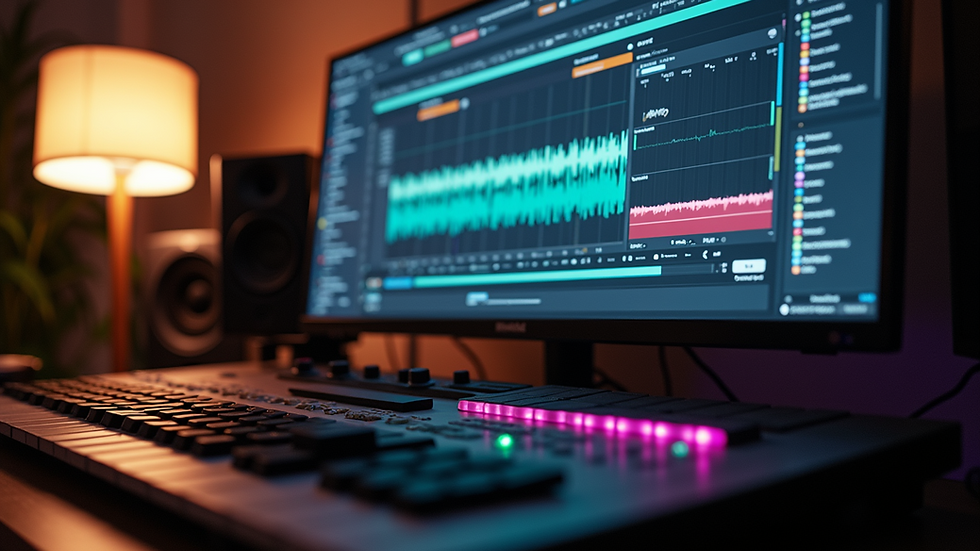
AI algorithms can analyze vast amounts of musical data to understand patterns, styles, and emotional cues. For instance, platforms like OpenAI's MuseNet and Google's Magenta use machine learning to compose original pieces of music across various genres. These tools can generate melodies that evoke specific emotions, making them invaluable for storytellers looking to enhance their narratives.
Emotional Resonance in Storytelling
Music has a unique ability to evoke emotions. When combined with AI, it can create soundscapes that resonate deeply with audiences. For example, a film score generated by AI can adapt in real-time to the emotional state of the characters, enhancing the viewer's experience. This dynamic interaction allows for a more immersive storytelling experience, where the music evolves alongside the narrative.
Case Studies of AI in Music Storytelling
Several projects illustrate the potential of AI in music storytelling. Here are a few notable examples:
1. AIVA: The AI Composer
AIVA (Artificial Intelligence Virtual Artist) is an AI composer that creates original music for films, video games, and commercials. By analyzing classical music compositions, AIVA learns to generate new pieces that maintain the emotional depth of human-created music. Filmmakers have begun to use AIVA's compositions to score their projects, resulting in unique soundtracks that enhance the storytelling process.
2. Amper Music: Custom Soundtracks
Amper Music is another AI-driven platform that allows users to create custom soundtracks for their projects. Users can select the mood, genre, and length of the music, and Amper generates a unique composition in real-time. This tool is particularly useful for content creators who need high-quality music without the budget for traditional composers.
3. OpenAI's Jukebox
OpenAI's Jukebox is a neural network that generates music in various genres and styles, complete with lyrics. By training on a diverse dataset of songs, Jukebox can create new tracks that mimic the style of famous artists. This capability opens up new possibilities for storytelling, as creators can use AI-generated music to complement their narratives in innovative ways.
The Role of Music in Enhancing Narratives
Music serves as a powerful tool in storytelling, influencing how audiences perceive and engage with narratives. Here are some ways music enhances storytelling:
Setting the Mood
The right music can set the tone for a story, guiding the audience's emotional response. For example, a suspenseful score can heighten tension in a thriller, while a light-hearted melody can evoke joy in a romantic comedy. AI-generated music can adapt to the narrative, ensuring that the emotional tone remains consistent throughout the story.
Character Development
Music can also be used to develop characters. A character's theme can evolve alongside their journey, reflecting their growth and changes. AI can analyze character arcs and generate music that aligns with their emotional states, creating a deeper connection between the audience and the characters.
World-Building
In fantasy and science fiction narratives, music plays a crucial role in world-building. AI can create unique soundscapes that transport audiences to different realms, enhancing the immersive experience. By generating music that reflects the culture and environment of a fictional world, storytellers can create a more engaging narrative.
Challenges and Considerations
While the collaboration between music and AI presents exciting opportunities, it also raises several challenges and ethical considerations.
Authenticity and Creativity
One of the primary concerns is the authenticity of AI-generated music. Can a machine truly create art? While AI can mimic styles and generate compositions, the emotional depth and personal touch of human creativity are difficult to replicate. This raises questions about the value of AI-generated music in storytelling and whether it can ever replace human composers.
Copyright and Ownership
As AI-generated music becomes more prevalent, issues of copyright and ownership arise. Who owns the rights to a piece of music created by an AI? This question is still being debated in legal circles, and it is essential for creators to understand the implications of using AI in their work.
The Human Touch
Despite the advancements in AI, the human touch remains irreplaceable in storytelling. While AI can assist in generating music, the emotional connection and narrative understanding that human composers bring to their work are invaluable. The best results often come from a collaboration between human creativity and AI capabilities.
The Future of Music and AI Collaboration
As technology continues to evolve, the collaboration between music and AI is likely to become more sophisticated. Here are some trends to watch for in the future:
Personalized Music Experiences
AI has the potential to create personalized music experiences for audiences. By analyzing individual preferences and emotional responses, AI can generate soundtracks tailored to specific viewers or listeners. This level of customization could revolutionize how stories are experienced, making them more engaging and impactful.
Interactive Storytelling
The rise of interactive storytelling, where audiences can influence the narrative, will benefit from AI-generated music. As users make choices that affect the story's direction, AI can adapt the music in real-time, creating a unique experience for each viewer. This dynamic interaction could redefine how stories are told and experienced.
Collaboration Between Artists and AI
The future will likely see more collaboration between human artists and AI. Musicians may use AI as a tool to enhance their creativity, generating ideas and compositions that they can refine and personalize. This partnership could lead to new genres and styles of music, enriching the storytelling landscape.
Conclusion
The collaboration between music and AI is transforming storytelling in profound ways. By enhancing emotional engagement, enabling personalized experiences, and pushing creative boundaries, this partnership is reshaping how narratives are crafted and experienced. As we move forward, embracing the potential of AI while valuing the irreplaceable human touch will be crucial in creating compelling stories that resonate with audiences.
The future of storytelling through music and AI collaboration is bright, offering endless possibilities for artists and creators. Whether you are a filmmaker, musician, or storyteller, exploring this innovative intersection can lead to new and exciting narratives that captivate and inspire.


Comments